
The Centre of Excellence in MEMS & Microfluidics (CEMM) at Rajalakshmi Engineering College (REC), Chennai, Tamilnadu developed and demonstrated the pneumatically actuated polymer micropumps and microvalves for microfluidic systems. Microfluidics is an emerging interdisciplinary field that deals with manipulation of fluids at the microscale and nanoscale. During recent years, microfluidics has enriched the progress in biological research and made a technological revolution. However, there is a delay in commercialization of fully integrated microfluidic systems due to lack of reliable microfluidic components such as micropumps and microvalves.
We developed a complex microfluidic circuit with 100s of pneumatic microvalves at a low cost. This helps hundreds of assays to be performed in parallel with multiple reagents in an automated manner. This technology replaces the conventional biological research which is laborious and expensive. A large scale integration of an array of pneumatically actuated microvalves is realized using Poly Dimethyl Siloxane (PDMS) with Multilayer Soft Lithography Technique.
Microvalve Operation
(i) Valve in open condition |
(ii) Valve in closed condition |
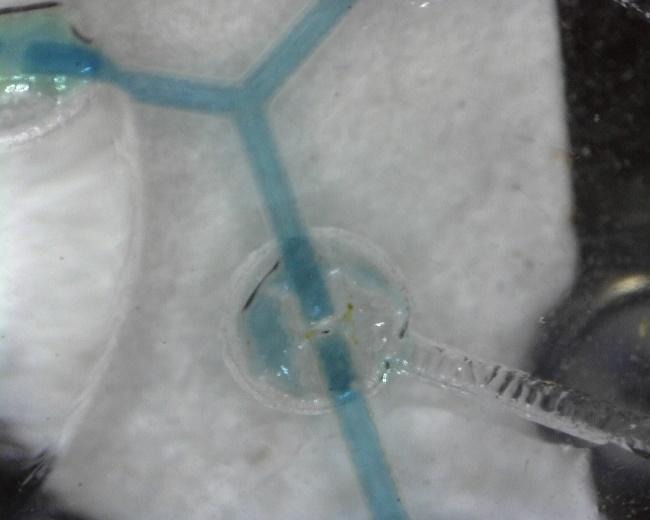
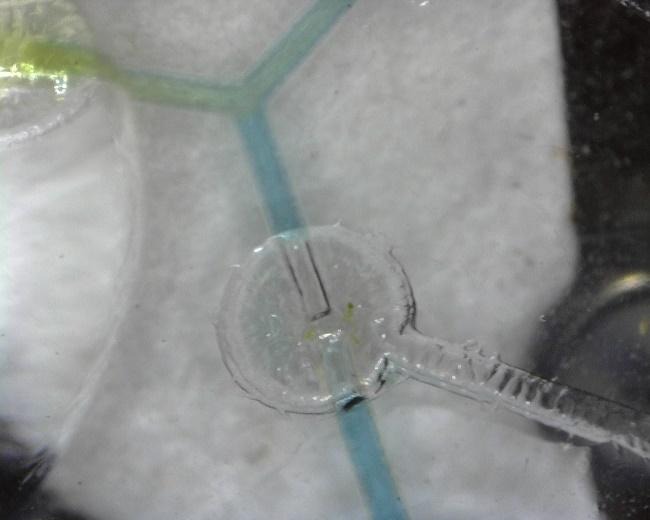
Fig. 1 Microvalve operation states
This technique is the extension of soft lithography technique involving molding and bonding which are repeated multiple times to generate a complex multilayer fluidic device. Two layers corresponding to fluidic layer and valve layer are fabricated using this soft lithography technique and these two layers are separated by a thin flexible elastomeric membrane ( ≈ 50 µm) and all these structures are integrated into a monolithic polymer chip. The microfluidic channels are orthogonal to the valve structure and hence the intermediate membrane can completely stop the fluid in the fluidic channel when it is deflected. The design of microvalve involves the requirement of a large deflection comparable to the channel height for switching the fluid in the fluidic channel. A multiplexing technique is used to reduce the number of control lines. An array of complimentary valve pairs are organized in binary-tree architecture and hence, microvalve arrays with the control lines in the order of 2 log2N where N is the number of microvalves are designed. The microfluidic chip with 128 microvalves and 8 fluidic channels are fabricated and tested.
A valve seat is introduced in the fluidic channel and hence the complete closure of the fluidic channel is achieved with a reduced air pressure to actuate the membrane. The stiction between the membrane and the valve seat are prevented by introducing a small gap (10 micrometre) between the two. The pressure required is 0.03 bar and the actuation time is 0.4 sec.
Micropump Operation
(i) Mode 1 (001) |
(ii) Mode 2 (011) |
(iii) Mode 3 (111) |
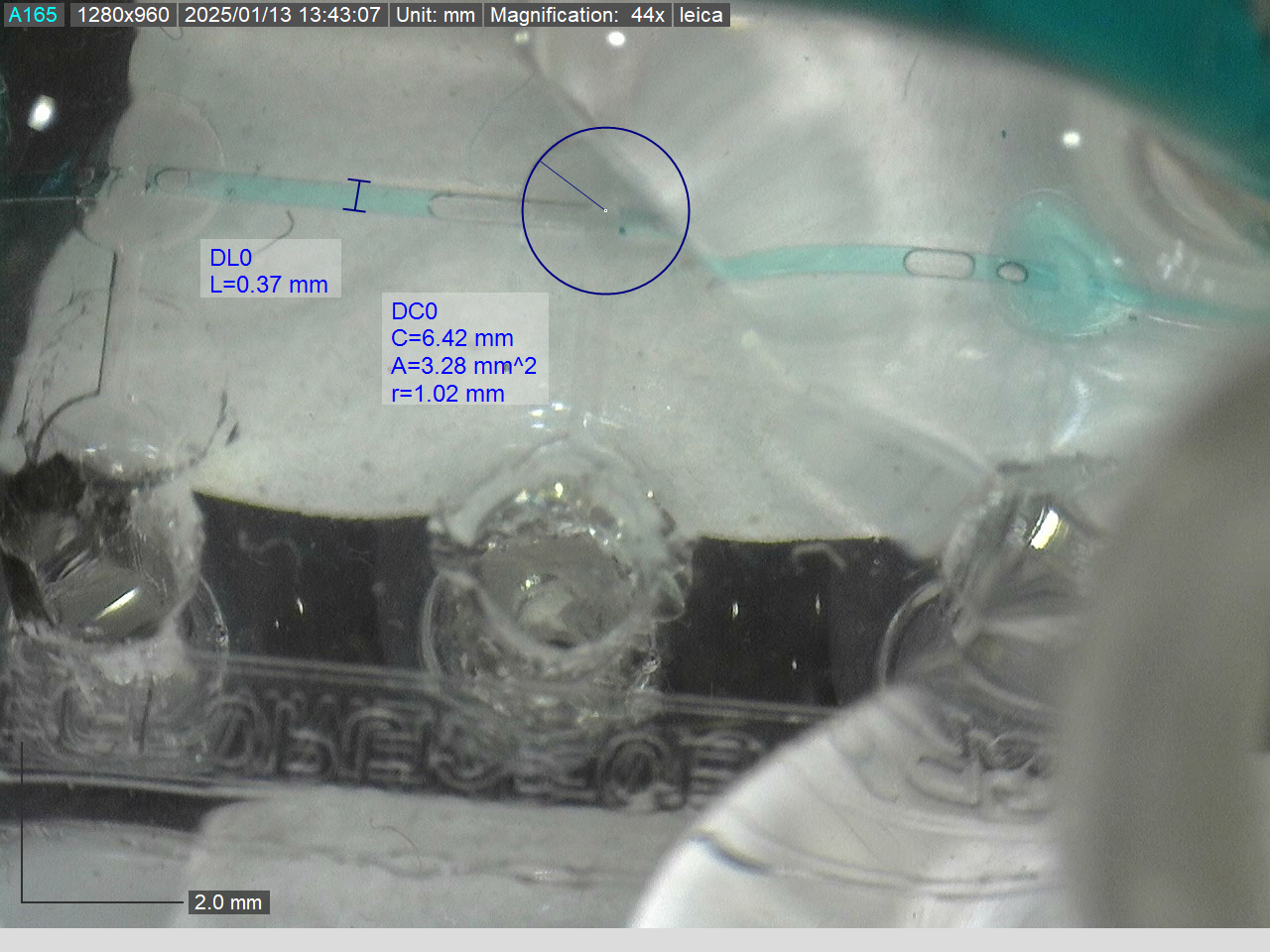
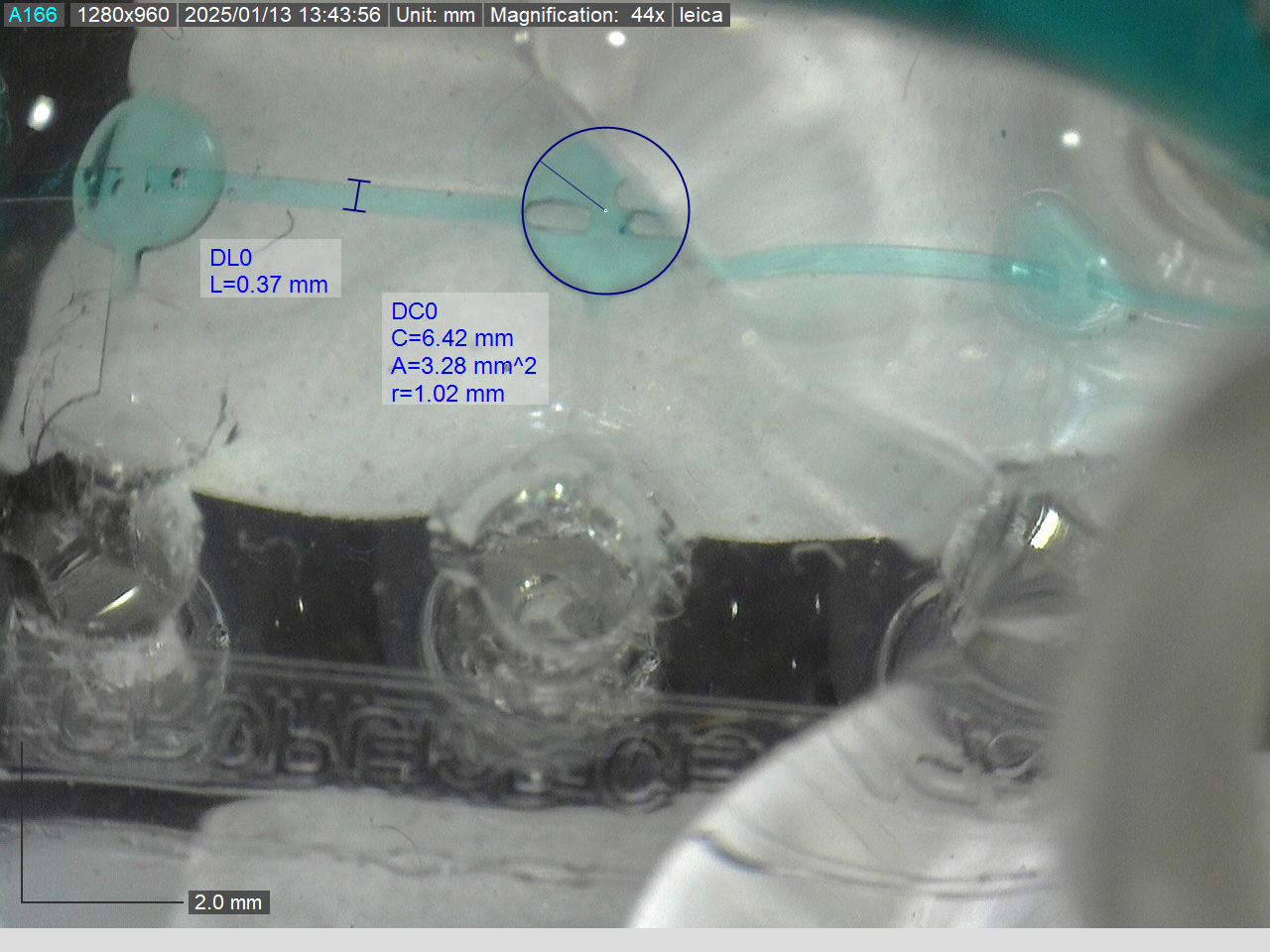
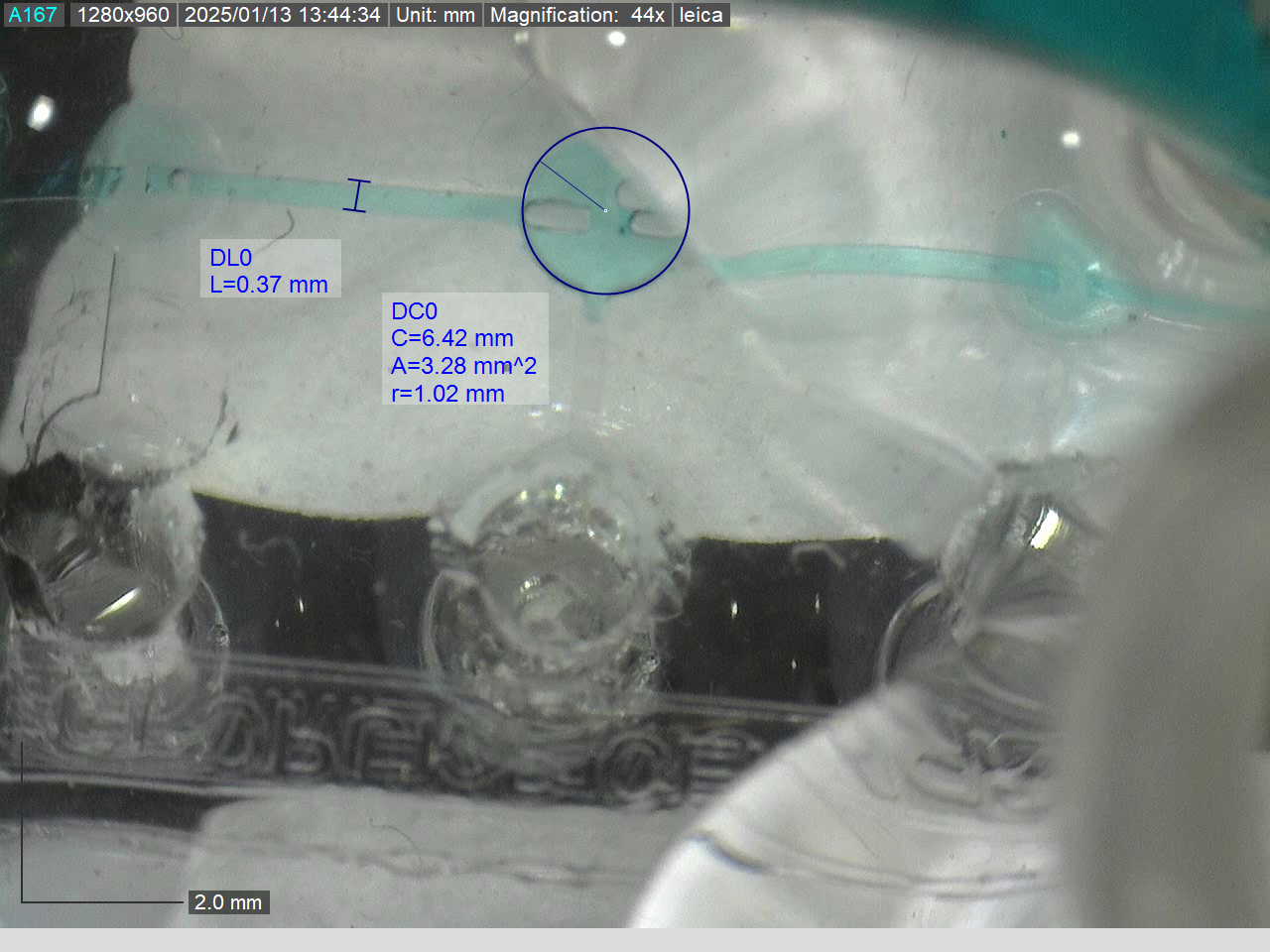
Fig. 2 Micropump operation modes
A micropump design is similar to the peristaltic pump by connecting three microvalves in sequence and each valve is operated at different frequencies which delivers different volume of fluid at the outlet. The micropump is fabricated and characterized. Typical actuation frequencies range from 0.06 Hz to 1.6 Hz are used at a control pressure range of 0.03 bar to 0.3 bar delivering the fluid at maximum peak flowrates ranging from 0.5 µL/min to 107.2 µL/min.
Reference:
- Indian Patent: Patent No. 559628; Application No.202341029919 “On-chip pneumatically actuated polymer Microvalves for Microfluidic Systems” – Awarded on 05.02.2025
Funding Agency: DST
Google Scholar Profile: https://scholar.google.co.in/citations?user=qn4o0kgAAAAJ&hl=en
Keywords:
Microfluidics
Micropump
Microvalve
Pneumatic Actuation
Soft Lithography
Polymer Membrane
PDMS
MEMS